Cable Glands: Types, Uses and How to Choose the Right Cable Gland
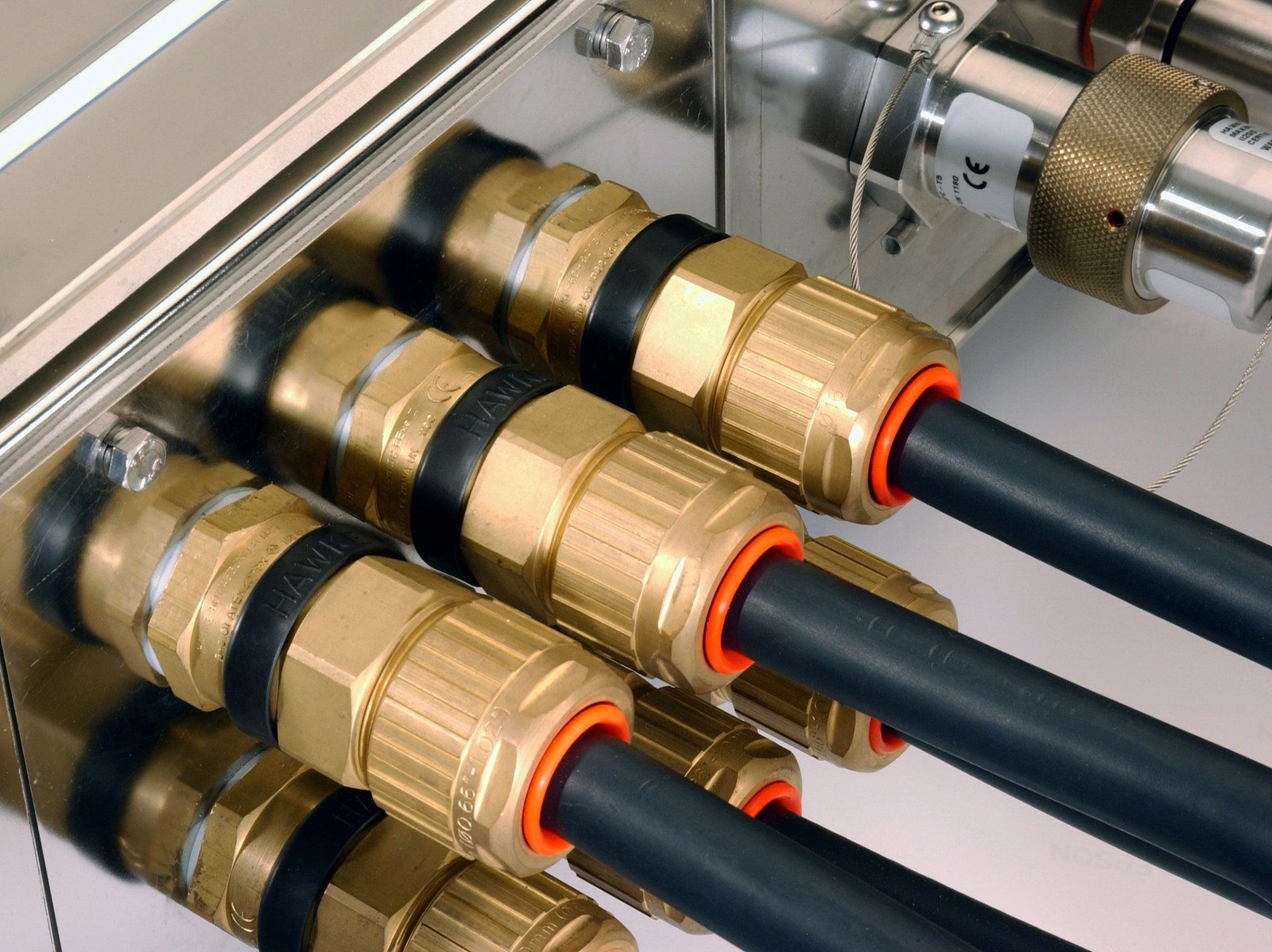
Cable glands are essential components used in electrical, industrial and electronic installations to secure and protect cables where they enter equipment or electrical enclosures. They help provide mechanical cable retention, strain relief and sealing around the cable entry point.
From electrical control panels and junction boxes to industrial machinery and outdoor equipment, the right cable gland can help create a secure and reliable cable connection. Cable glands are available in different materials, thread types and sizes, making it important to select the right type according to the cable and application.
In this guide, we explain what cable glands are, the different types available, where they are used and how to choose the right cable gland for your installation.
What Is a Cable Gland?
A cable gland is a mechanical cable-entry device used to secure a cable where it passes into an electrical enclosure, panel, junction box or other equipment.
A cable gland typically consists of a gland body, threaded section, sealing component and other parts designed to provide cable retention and protection at the entry point.
The gland helps prevent excessive movement of the cable and can help protect the cable-entry area from environmental factors when the appropriate type is selected and correctly installed.
Cable glands are widely used in electrical and industrial applications where cables need to enter an enclosure safely and securely.
Why Are Cable Glands Important?
Simply passing a cable through an opening in an electrical enclosure can leave the cable and enclosure vulnerable to mechanical stress, dust and moisture.
A suitable cable gland helps provide a controlled and secure cable-entry point.
Some important functions of cable glands include:
- Securing cables at enclosure entry points
- Providing mechanical cable retention
- Helping reduce strain on cable connections
- Sealing the cable entry
- Helping protect against dust and moisture
- Supporting a neat and organised electrical installation
- Providing a suitable transition between the cable and enclosure
The exact level of protection depends on the cable gland design, installation method, cable construction and overall enclosure system.
How Does a Cable Gland Work?
A cable gland works by holding the cable securely as it enters an enclosure or piece of equipment.
During installation, the cable passes through the gland and the gland is fitted into the enclosure opening. Depending on the design, tightening the gland compresses a sealing element around the cable while securing the cable mechanically.
The threaded portion of the gland connects to the enclosure or mounting component.
When correctly selected and installed, the cable gland provides a secure cable-entry arrangement while helping protect the entry point from environmental exposure.
Different cable gland designs use different sealing and clamping methods, so installation should always follow the manufacturer's specifications.
Types of Cable Glands
Cable glands are available in several types to suit different electrical and industrial requirements.
Metal Cable Glands
Metal cable glands are commonly used where a robust and durable cable-entry solution is required.
They are suitable for many industrial electrical installations, control panels, machinery, equipment enclosures and other applications where mechanical strength is an important consideration.
Depending on the design, metal cable glands may be manufactured using materials such as brass or other suitable metals.
When selecting a metal cable gland, the cable diameter, thread specification, enclosure requirements and environmental conditions should be considered.
Nylon Cable Glands
Nylon cable glands are lightweight, non-metallic cable-entry solutions commonly used in electrical and electronic applications.
They can be suitable for control panels, junction boxes, equipment enclosures and general electrical installations where a non-metallic gland is appropriate.
Nylon cable glands are available in different sizes and thread configurations to accommodate different cable diameters and mounting requirements.
PG Cable Glands
PG cable glands use the PG thread system and are available in different sizes.
The correct PG cable gland should be selected according to the cable's outside diameter and the required mounting-hole or thread specification.
For example, a PG7 cable gland is intended for applications where the cable diameter and mounting requirements are compatible with the PG7 specification.
It is important not to select a PG cable gland based only on the cable name. Always check the manufacturer's specified cable range and mounting dimensions.
What Is a PG7 Cable Gland?
A PG7 cable gland is a specific size of cable gland using the PG thread system.
PG7 glands are commonly considered for smaller cable-entry applications, including certain electrical and electronic equipment.
However, the correct gland depends on the actual outside diameter of the cable, the enclosure opening and the required installation specifications.
Before selecting a PG7 cable gland, always compare the cable diameter with the gland's specified clamping range.
Where Are Cable Glands Used?
Cable glands are used in a wide range of electrical, electronic and industrial applications.
Electrical Control Panels
Control panels often contain multiple cables entering and leaving the enclosure. Cable glands help organise and secure these cable-entry points.
A properly selected cable gland can also help maintain the intended protection of the panel enclosure.
Junction Boxes
Junction boxes commonly use cable glands where cables enter or exit the box.
The appropriate gland helps secure the cable and provides a suitable sealed entry according to the application.
Industrial Machinery
Industrial machines can expose cables to movement, vibration and mechanical stress.
Cable glands can provide mechanical retention and help secure the cable at the equipment entry point.
Electrical Equipment
Electrical equipment and enclosures may require cable glands to provide secure cable entry while maintaining appropriate environmental protection.
The gland should always be selected according to the equipment design and cable specifications.
Outdoor Applications
Outdoor electrical installations can be exposed to rain, dust, humidity and changing temperatures.
For such applications, the cable gland should be suitable for the environmental conditions and installed correctly with compatible cables and enclosures.
Lighting Applications
Cable glands are also used in various lighting-related electrical installations, including outdoor lighting equipment, junction boxes, electrical enclosures and other applications where protected cable entry is required.
How to Choose the Right Cable Gland
Choosing the correct cable gland involves more than simply selecting a size.
Several factors should be considered before purchasing.
1. Check the Cable Outside Diameter
The cable's outside diameter is one of the most important factors when selecting a cable gland.
The gland should have a suitable cable clamping range for the actual cable being used.
A gland that is too large may not provide adequate sealing or retention, while a gland that is too small may not accommodate the cable correctly.
2. Select the Correct Thread
The gland thread must be compatible with the enclosure or mounting arrangement.
PG is one commonly encountered thread system, but other thread standards are also used depending on the application and equipment.
Always check the required thread specification before ordering.
3. Choose the Appropriate Material
The cable gland material should match the installation requirements.
Metal cable glands can be suitable where robust mechanical construction is required, while nylon cable glands can provide a lightweight non-metallic alternative for suitable applications.
The surrounding environment should also be considered when selecting the gland material.
4. Consider IP Protection
For applications exposed to dust or water, the required ingress protection should be considered.
The cable gland should be compatible with the required protection level and correctly installed.
It is also important to remember that the overall protection of an enclosure depends on the complete system, including the enclosure, cable, gland and installation method.
5. Consider Indoor or Outdoor Installation
Indoor installations may have different requirements from outdoor applications.
For outdoor installations, consider exposure to rain, moisture, dust, temperature variations and other environmental conditions.
Select a gland designed for the conditions in which it will be installed.
6. Consider Mechanical Requirements
If cables are exposed to movement, vibration or mechanical stress, cable retention becomes particularly important.
The gland should be selected according to the mechanical requirements of the installation.
Metal Cable Glands vs Nylon Cable Glands
Both metal and nylon cable glands are used in electrical installations, but their suitability depends on the application.
Metal cable glands are generally chosen where a robust construction and higher mechanical durability are desired.
Nylon cable glands are lightweight and provide a non-metallic solution for many electrical and electronic applications.
There is no single cable gland material that is best for every application. The right choice depends on the cable, enclosure, environment, mechanical requirements and required protection.
Common Cable Gland Sizes
Cable glands are available in a wide range of sizes to accommodate different cable diameters and enclosure openings.
The correct size should be determined using the manufacturer's specifications.
When selecting a cable gland size, check:
- Cable outside diameter
- Cable clamping range
- Thread size
- Enclosure mounting-hole size
- Required sealing performance
- Installation environment
For PG cable glands, the PG size should also be matched with the appropriate cable diameter and mounting requirements.
Common Mistakes When Selecting Cable Glands
Selecting a cable gland without checking the complete installation can lead to problems.
Some common mistakes include choosing a gland only by thread size, ignoring the cable's actual outside diameter, using an unsuitable material, overlooking environmental exposure and failing to check the required protection level.
Another common mistake is assuming that two cable glands with the same nominal thread size will necessarily have the same cable clamping range.
Always check the technical specifications before selecting the gland.
Cable Glands for Electrical Panels
Electrical panels often contain multiple cables entering through different locations.
Cable glands can help provide secure and organised cable entry while supporting the protection of the panel.
When selecting cable glands for an electrical panel, consider the cable diameter, panel thickness, mounting-hole dimensions, thread type, gland material and environmental conditions.
For panels installed outdoors or in industrial environments, additional attention should be given to sealing and environmental protection.
Cable Glands for Industrial Applications
Industrial applications can place greater demands on electrical components.
Machinery, control systems, automation equipment and industrial enclosures may experience vibration, dust, moisture and mechanical movement.
For these applications, cable glands should be selected based on the actual operating environment.
A reliable cable-entry solution can contribute to better cable management, mechanical protection and overall installation quality.
Why Quality Matters When Choosing Cable Glands
Cable glands may be small components, but they perform an important function at the cable-entry point.
A suitable gland should provide the required mechanical retention, cable compatibility and sealing performance for the intended application.
For commercial and industrial projects, consistent product specifications and dependable supply are also important.
Working with an experienced electrical component supplier can make it easier to select suitable cable glands for different cable sizes and installation requirements.
Cable Glands for Electrical and Industrial Applications
Infocus Electronics supplies electrical and industrial components for a variety of applications. Cable-entry requirements can vary depending on the cable, enclosure and operating environment, so selecting the appropriate cable gland is important for each installation.
Metal cable glands and other cable-entry solutions can be selected according to factors such as cable diameter, thread type, material and application requirements.
For bulk requirements and project applications, customers should confirm the required specifications before placing an order.
Conclusion
Cable glands are important components used to secure and protect cables where they enter electrical equipment and enclosures.
From metal cable glands and nylon cable glands to PG cable glands, different types are available for different installation requirements.
The right cable gland should be selected based on the cable outside diameter, thread type, material, environmental conditions, mechanical requirements and required protection level.
Whether you are working with an electrical control panel, junction box, industrial machine, outdoor equipment or lighting installation, choosing the appropriate cable gland can help create a secure, organised and reliable cable-entry solution.
Frequently Asked Questions About Cable Glands
What is a cable gland?
A cable gland is a mechanical device used to secure and seal a cable where it enters an electrical enclosure or equipment.
What are the main types of cable glands?
Common types include metal cable glands, nylon cable glands and PG cable glands. The appropriate type depends on the cable, enclosure and application.
What is a metal cable gland?
A metal cable gland is a cable-entry device manufactured using a metal construction and is commonly selected for applications where mechanical durability is important.
What is a PG cable gland?
A PG cable gland uses the PG thread system and is available in different sizes for different cable diameters and enclosure requirements.
What is a PG7 cable gland?
A PG7 cable gland is a specific PG-size cable gland generally used for smaller cable-entry applications where its cable range and mounting dimensions are suitable.
How do I select the correct cable gland size?
Check the outside diameter of the cable first, then match it with the manufacturer's specified cable clamping range. Also check the required thread and enclosure mounting-hole dimensions.
Are cable glands suitable for outdoor applications?
Yes, suitable cable glands can be used outdoors when their specifications match the environmental conditions and they are correctly installed with compatible equipment.
Are metal cable glands better than nylon cable glands?
Neither is universally better. Metal cable glands may be preferred for certain mechanically demanding applications, while nylon cable glands can be suitable where a lightweight non-metallic solution is required.
Why are cable glands used in electrical panels?
Cable glands help secure cables where they enter the panel and can help maintain suitable cable-entry protection while reducing mechanical strain.
Can cable glands improve cable protection?
A correctly selected and installed cable gland can help provide mechanical cable retention and protect the cable-entry point from environmental exposure, depending on the gland and installation specifications.