Lithium-Ion Battery Safety: Important Things to Know Before Using 18650 Cells
18650 lithium-ion batteries are widely used in portable electronics, LED emergency lights, rechargeable lighting products, battery packs, power banks, and various electronic devices. Their compact size, rechargeable design, and high energy density make them a practical choice for many applications. However, like all lithium-ion batteries, 18650 cells must be selected, handled, charged, and stored correctly to ensure safe and reliable operation.
Understanding basic lithium-ion battery safety is particularly important for manufacturers, OEMs, lighting manufacturers, electronics assemblers, and businesses that use 18650 cells in their products. This guide explains the important safety considerations to know before using 18650 lithium-ion cells.
What Is an 18650 Lithium-Ion Battery?
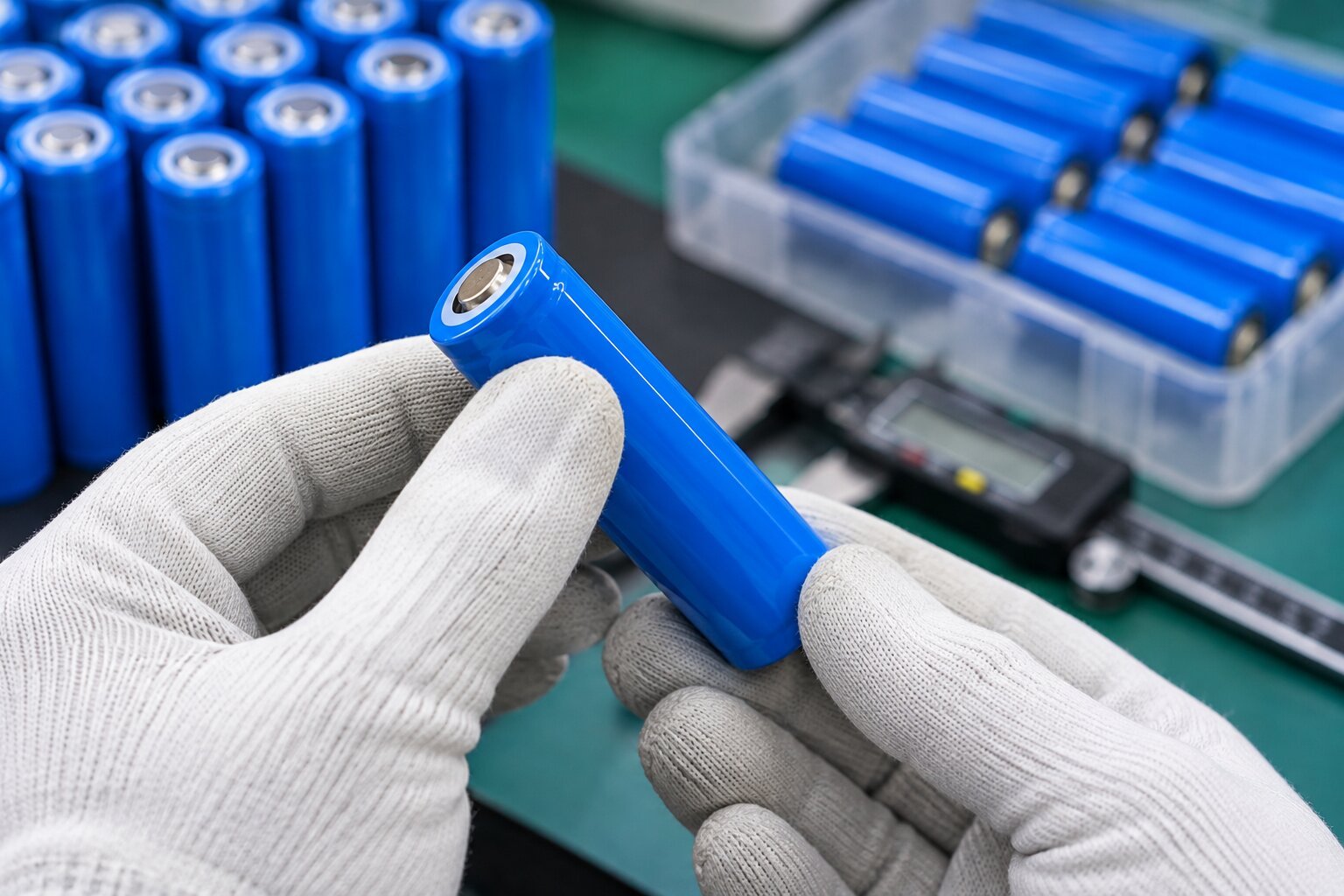
An 18650 is a cylindrical lithium-ion battery cell that typically measures approximately 18 mm in diameter and 65 mm in length. The name "18650" comes from these approximate dimensions.
A typical 18650 lithium-ion cell has a nominal voltage of around 3.7V and reaches approximately 4.2V when fully charged. Depending on the cell specification and application, 18650 batteries are available in different capacities.
These cells are commonly used in rechargeable lighting, portable electronics, battery packs, emergency lighting systems, and other applications where a compact rechargeable power source is required.
Why Is 18650 Battery Safety Important?
Lithium-ion batteries store a significant amount of energy in a relatively small package. Under normal operating conditions, a properly selected and correctly handled cell can provide reliable performance.
Problems can occur when a battery is exposed to conditions outside its specified operating limits. Overcharging, excessive discharge, short circuits, physical damage, overheating, incorrect charging, or unsuitable battery configurations can increase the risk of battery failure.
For this reason, battery safety should be considered during product design, assembly, charging, transportation, storage, and everyday use.
1. Choose the Correct 18650 Cell
One of the most important safety steps is selecting a battery that matches the intended application.
Before purchasing or installing an 18650 cell, check important specifications such as:
- Nominal voltage
- Full-charge voltage
- Capacity
- Maximum continuous discharge current
- Operating temperature range
- Cell chemistry
- Physical dimensions
- Manufacturer specifications
- Protection requirements
For example, a battery intended for a low-power LED product may have different requirements from a cell used in a high-current battery pack.
Avoid selecting a battery based only on its capacity. The battery must be suitable for the electrical and mechanical requirements of the complete product.
2. Avoid Overcharging
Overcharging is one of the most important risks associated with lithium-ion batteries.
A standard 3.7V nominal lithium-ion cell generally reaches approximately 4.2V at full charge. The charging system must be designed to use the correct charging voltage and charging method specified for the particular cell.
Do not connect an 18650 cell directly to an unsuitable power supply and assume that it will charge safely.
Use an appropriate lithium-ion charging circuit or battery management system designed for the cell configuration and application.
3. Prevent Over-Discharging
Lithium-ion cells should also not be discharged below their specified voltage limits.
Excessive discharge can negatively affect battery performance and may permanently damage the cell. Repeated deep discharge can reduce the useful life of the battery.
A suitable battery management or protection system can help prevent the cell from being discharged beyond its recommended limit.
4. Protect the Battery From Short Circuits
A short circuit can cause a very high current to flow through a lithium-ion cell. This can generate heat and potentially damage the battery.
Never allow the positive and negative terminals of an 18650 cell to come into direct contact with conductive materials such as metal tools, wires, coins, or other batteries.
When designing a battery pack, appropriate insulation, electrical protection, and circuit design should be used to reduce the risk of accidental short circuits.
5. Inspect Cells Before Use
Always inspect an 18650 cell before installation.
Do not use a cell if you notice:
- A damaged or torn outer wrapper
- Denting or deformation
- Corrosion
- Leakage
- Swelling
- Burn marks
- Unusual smell
- Damaged terminals
- Signs of overheating
The protective wrapper on a cylindrical lithium-ion cell is important because it provides electrical insulation. A damaged wrapper can create a short-circuit risk if the cell comes into contact with conductive parts.
Damaged cells should not be used in products simply because they appear to function normally.
6. Use the Correct Charger
The charger must be compatible with the lithium-ion battery chemistry and configuration.
For a single-cell 3.7V nominal lithium-ion battery, the charging system is generally designed around the cell's specified full-charge voltage. Battery packs containing multiple cells require a charging system specifically designed for the pack configuration.
Using an unsuitable charger can result in improper charging and may create a safety hazard.
Manufacturers should verify the charging circuit, battery specification, current limits, and protection features before integrating 18650 cells into a product.
7. Avoid Excessive Heat
High temperatures can negatively affect lithium-ion battery performance and service life.
18650 cells should be kept away from direct flames, excessive heat sources, and environments outside the manufacturer's specified temperature range.
When designing LED lighting products or electronic equipment, consider how heat generated by LEDs, drivers, charging circuits, and other components can affect the battery.
Good thermal design and appropriate ventilation can help maintain the battery within its recommended operating conditions.
8. Do Not Physically Damage the Cell
18650 cells should not be crushed, punctured, bent, dismantled, or deliberately damaged.
Physical damage can affect the internal structure of the cell and potentially create an internal short circuit.
During manufacturing and assembly, use appropriate handling methods and avoid tools or mechanical processes that could damage the battery casing.
9. Take Care When Building Battery Packs
When several 18650 cells are connected together, battery-pack design becomes especially important.
Cells connected in series increase the overall voltage, while cells connected in parallel can increase available capacity and current capability.
Battery packs should be designed with appropriate:
- Cell matching
- Insulation
- Protection circuitry
- Battery management systems
- Charging controls
- Current protection
- Thermal management
- Mechanical protection
Cells used together in a battery pack should be appropriately matched according to the manufacturer's requirements. Mixing unsuitable cells with different specifications, conditions, or characteristics can create an unreliable battery pack.
10. Do Not Mix Unknown or Damaged Cells
Using cells from different sources or mixing cells with significantly different specifications can create problems in battery packs.
For commercial products, manufacturers should use cells with known specifications and consistent quality.
Avoid combining new cells with old, damaged, or unknown-condition cells unless the battery-pack design and manufacturer specifications specifically permit it.
11. Store 18650 Batteries Properly
Proper storage can help protect battery performance and reduce safety risks.
When storing lithium-ion cells:
- Keep them in a dry location.
- Avoid extreme temperatures.
- Protect terminals from accidental contact.
- Keep cells away from direct sunlight and heat sources.
- Prevent physical damage.
- Use suitable protective packaging.
- Keep damaged batteries separated from usable cells.
For long-term storage, follow the battery manufacturer's recommended storage voltage, temperature, and state-of-charge conditions.
12. Use Proper Insulation During Assembly
The metal body of a cylindrical 18650 cell is electrically conductive. Therefore, proper insulation is important during installation.
Battery holders, insulating rings, protective wrappers, separators, and other appropriate insulating components may be required depending on the product design.
Particular attention should be given to areas where the battery could contact a metal enclosure, PCB, wiring, or another cell.
13. Follow the Manufacturer's Specifications
There is no single safety specification that applies identically to every 18650 cell.
Different cells can have different electrical characteristics, allowable charging currents, discharge limits, temperature ranges, and construction.
Always refer to the manufacturer's datasheet and technical specifications before designing a product around an 18650 battery.
For commercial and industrial applications, the battery should also be evaluated together with the complete product and applicable safety requirements.
14. What Should You Do With a Damaged 18650 Battery?
A damaged, swollen, leaking, overheated, or physically compromised lithium-ion cell should not be treated like a normal battery.
Do not attempt to repair, puncture, open, crush, or reuse a visibly damaged cell.
Keep damaged batteries away from combustible materials and follow applicable local battery-recycling or hazardous-waste procedures for disposal. Lithium-ion batteries should be recycled or disposed of through appropriate channels rather than being placed casually in general waste.
15. Safety Is Important for LED Lighting Applications
18650 batteries are commonly used in rechargeable lighting products because their compact cylindrical format can provide a convenient source of rechargeable power.
Applications can include:
- Emergency lights
- Rechargeable LED lights
- Portable lighting
- Backup lighting systems
- Rechargeable electronic products
- Battery-powered equipment
- Custom battery packs
For lighting manufacturers and OEMs, battery safety should be considered as part of the complete product design rather than as a separate component-level issue.
The battery, LED load, charging circuit, driver, protection circuit, enclosure, wiring, and thermal environment should all be evaluated together.
Common 18650 Battery Safety Mistakes
Some common mistakes include using the wrong charger, ignoring damaged battery wrappers, selecting a cell based only on capacity, exposing cells to excessive heat, allowing terminals to short circuit, mixing unsuitable cells, and using batteries without considering the requirements of the complete product.
Avoiding these mistakes can help improve both product reliability and battery safety.
18650 Battery Safety Checklist
Before using an 18650 lithium-ion cell, check the following:
Battery: Confirm that the cell is genuine, undamaged, and suitable for the application.
Voltage: Verify the nominal and full-charge voltage requirements.
Capacity: Select an appropriate capacity for the required operating time.
Charging: Use a compatible charging circuit designed for the battery.
Protection: Include suitable protection against conditions such as overcharge, over-discharge, and short circuit where required by the design.
Temperature: Ensure the battery operates within the manufacturer's specified temperature range.
Insulation: Prevent accidental contact between the cell and conductive materials.
Storage: Store cells in suitable environmental and packaging conditions.
Disposal: Recycle or dispose of damaged and exhausted lithium-ion batteries through appropriate channels.
Conclusion
18650 lithium-ion cells can provide a compact and rechargeable power source for LED lighting, electronics, and many other applications. However, safe and reliable operation depends on selecting the right cell, using a compatible charging system, preventing short circuits and excessive discharge, protecting the battery from physical damage and heat, and following the manufacturer's specifications.
For manufacturers and OEMs, battery safety should be considered from the initial product-design stage through assembly, testing, storage, and end-of-life disposal. Choosing suitable 18650 cells and designing the surrounding electrical and mechanical system correctly can help support reliable performance and safer rechargeable products.
Frequently Asked Questions
Are 18650 batteries safe to use?
18650 lithium-ion cells can be safely used when they are suitable for the application and operated, charged, stored, and handled according to the manufacturer's specifications. Incorrect charging, physical damage, short circuits, and operation outside specified limits can create safety risks.
What voltage is an 18650 lithium-ion battery?
A typical 18650 lithium-ion cell has a nominal voltage of approximately 3.7V and a full-charge voltage of approximately 4.2V. The exact specifications should always be confirmed from the cell manufacturer's datasheet.
Can an 18650 battery be overcharged?
An 18650 lithium-ion cell should not be overcharged. Use a suitable lithium-ion charging system that follows the manufacturer's specified charging voltage and current requirements.
Can I use a damaged 18650 battery?
A damaged, swollen, leaking, dented, or physically compromised 18650 cell should not be used. Follow appropriate safety and recycling procedures for damaged lithium-ion batteries.
How should 18650 batteries be stored?
18650 cells should be stored in a dry environment away from excessive heat, direct sunlight, physical damage, and situations where their terminals could accidentally short circuit. Follow the manufacturer's recommended storage conditions.
Can 18650 cells be used for LED lights?
Yes. 18650 lithium-ion cells can be used in various rechargeable LED lighting products when the battery voltage, capacity, discharge requirements, charging system, protection circuit, and LED load are appropriately matched.
What is the difference between 18650 battery capacity ratings?
Capacity is commonly expressed in mAh, or milliamp-hours. A higher capacity can provide more stored energy under suitable operating conditions, but the correct battery should be selected based on the complete application's electrical and physical requirements rather than capacity alone.