What Is Silicone Potting Compound? Uses, Benefits & Applications
Electronic components often operate in environments where moisture, dust, vibration, temperature changes and other environmental factors can affect their performance and service life. Silicone potting compound is one of the materials used to protect sensitive electronic and electrical assemblies from these conditions.
Silicone potting compounds are flexible protective materials that are applied around electronic components and allowed to cure, creating a durable barrier around the assembly. Depending on the formulation, they can provide electrical insulation, moisture protection, flexibility, thermal stability and resistance to environmental exposure.
What Is Silicone Potting Compound?
Silicone potting compound is a silicone-based material used to encapsulate and protect electronic or electrical components. The material is generally applied in liquid form and then cured to form a flexible or elastomeric protective layer around the components.
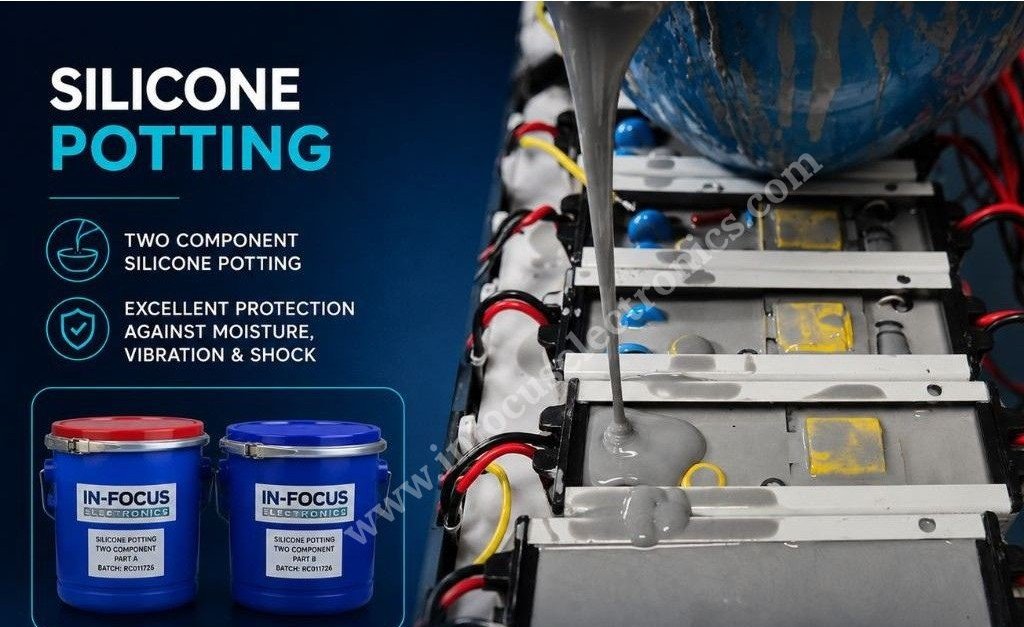
During potting, the compound fills the available space around components and creates a protective barrier that helps isolate the electronics from moisture, dust, vibration and other environmental stresses.
Silicone is particularly useful when an application requires flexibility and resistance to temperature cycling. Unlike rigid potting materials, cured silicone can accommodate movement and expansion of components and assemblies.
How Does Silicone Potting Work?
The potting process begins by placing the electronic assembly inside its housing, enclosure or suitable mold. The liquid silicone potting material is then introduced around the components.
After application, the silicone cures according to the formulation and curing system being used. Once cured, it surrounds the components and provides a protective layer.
This protective layer can help:
- Reduce exposure to moisture and humidity
- Protect against dust and environmental contaminants
- Provide electrical insulation
- Reduce the effects of vibration and mechanical movement
- Protect components during temperature fluctuations
- Improve the durability of electronic assemblies
The exact level of protection depends on the material formulation, application method, enclosure design and operating environment.
Key Properties of Silicone Potting Compound
The properties of silicone potting compounds can vary depending on the formulation, but several characteristics make silicone suitable for electronic protection.
1. Flexibility
One of the major advantages of silicone is its flexibility after curing. This allows the material to accommodate movement and thermal expansion without becoming as rigid as some other potting materials.
This can be useful for assemblies exposed to repeated temperature changes or mechanical vibration.
2. Temperature Resistance
Electronic equipment may experience significant temperature fluctuations during operation. Silicone formulations are designed for applications where thermal stability and flexibility over a broad operating range are important.
The appropriate temperature rating should always be checked against the manufacturer's technical specifications before selecting a material.
3. Moisture Protection
Moisture can cause corrosion, electrical leakage and other problems in electronic assemblies. Potting helps create a barrier between sensitive components and the surrounding environment.
For applications requiring a specific ingress-protection level, the complete assembly—not just the potting material—must be properly designed and tested.
4. Electrical Insulation
Silicone potting materials can provide electrical insulation around components, helping reduce the risk of electrical leakage and unwanted contact between conductive parts.
This makes silicone useful in a range of electronic and electrical assemblies.
5. Vibration and Mechanical Protection
Electronic assemblies can be exposed to vibration during transportation or operation. Flexible silicone potting can help support components and reduce the effects of mechanical movement and vibration.
6. UV and Environmental Resistance
Certain silicone formulations offer good resistance to UV exposure, ozone and environmental conditions. This can make them suitable for outdoor and demanding applications, depending on the specific product formulation.
Benefits of Silicone Potting Compound
Using silicone potting compound can provide several benefits for electronic manufacturers and OEMs.
Protects Sensitive Electronics
Potting helps isolate electronic components from moisture, dust and other contaminants that can contribute to premature failure.
Improves Product Reliability
By protecting components from environmental and mechanical stresses, potting can contribute to more reliable operation when the correct material is selected and properly processed.
Handles Thermal Expansion
The flexibility of silicone allows it to accommodate movement caused by temperature changes. This is particularly important in assemblies where different components expand and contract at different rates.
Provides Electrical Insulation
Silicone potting compounds can help electrically isolate components and assemblies while providing physical protection.
Suitable for Complex Assemblies
Liquid potting materials can flow around components and into spaces within an assembly before curing, allowing protection of complex shapes and configurations.
Applications of Silicone Potting Compound
Silicone potting compounds are used across many electronic and electrical applications.
LED and Lighting Electronics
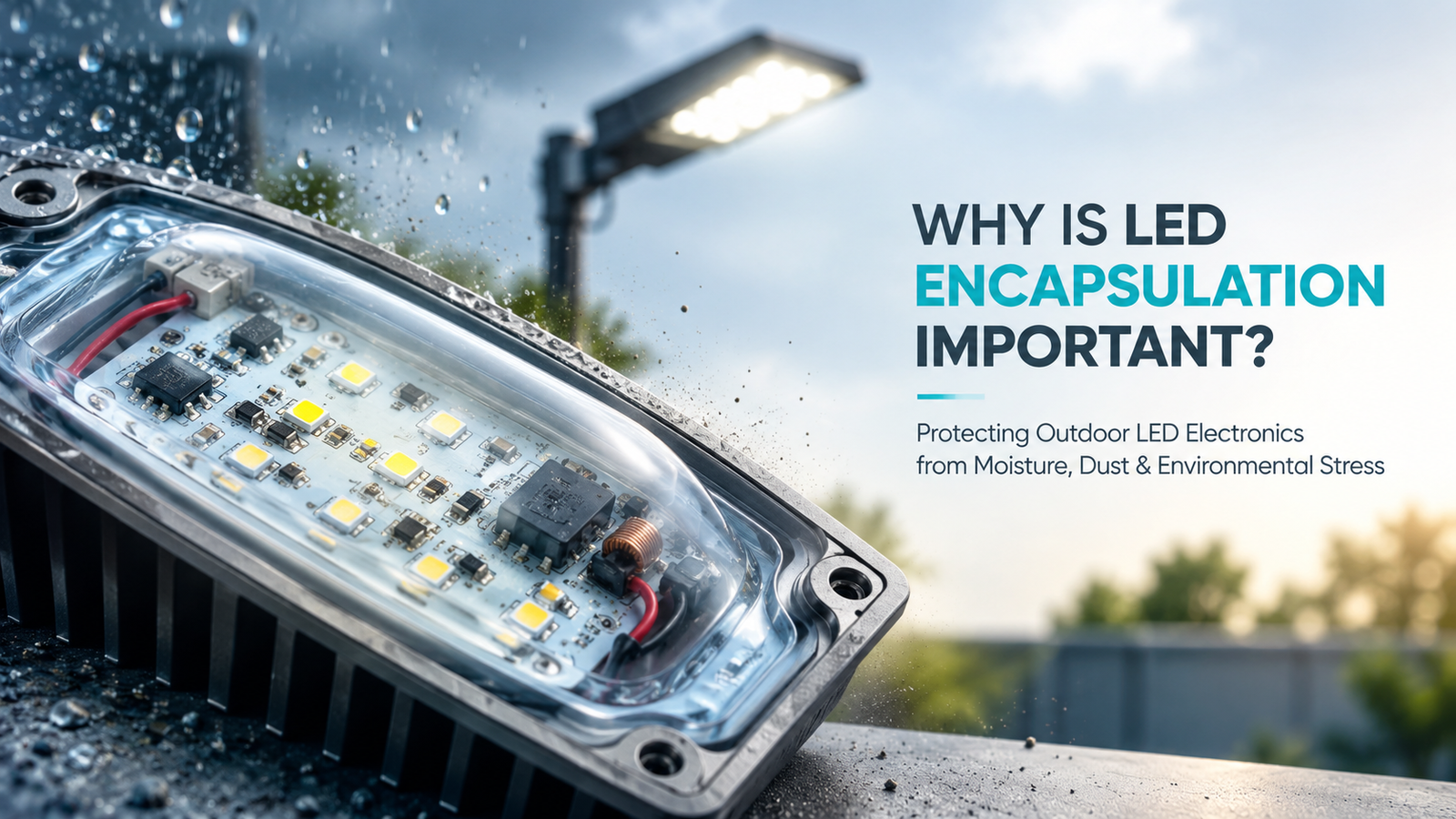
Silicone potting materials can be used to protect LED modules, LED strips, LED drivers and other lighting electronics from moisture, dust and environmental exposure.
For applications where optical clarity is important, specialized clear or optically clear silicone formulations can be selected.
Power Supplies
Power supplies and electronic power modules can benefit from potting protection against moisture, vibration and environmental contaminants.
PCBs and Electronic Modules
Printed circuit boards and electronic control modules may be potted when additional environmental and mechanical protection is required.
Sensors
Sensors used in industrial, automotive and outdoor environments can be exposed to moisture, vibration and temperature variations. Suitable silicone potting materials can help protect the electronics inside the sensor assembly.
Connectors and Electrical Assemblies
Potting can also be used around connectors and electrical assemblies where additional insulation and environmental protection are required.
Automotive Electronics
Automotive electronics can experience vibration, temperature cycling and exposure to challenging environmental conditions. Silicone-based potting materials can be considered when flexibility and thermal stability are important requirements.
Industrial Electronics
Industrial control equipment, automation systems, power electronics and other machinery-related electronics may use potting materials to improve environmental protection and durability.
Silicone Potting Compound vs Other Potting Materials
Silicone is one of several chemistries used for electronic potting. Epoxy, polyurethane and silicone each have different characteristics.
Silicone is generally selected when flexibility, temperature stability and environmental resistance are important.
Polyurethane (PU) can provide a combination of flexibility, mechanical protection and electrical insulation and is available in different hardness levels.
Epoxy is commonly selected when a rigid, hard and strongly bonded encapsulation is required.
The best material depends on factors such as operating temperature, flexibility requirements, chemical exposure, mechanical stress, thermal management, curing process and whether future rework is required.
How to Choose the Right Silicone Potting Compound
Choosing a silicone potting compound should be based on the actual operating conditions of the application.
Consider the following factors:
Operating Temperature
Check both the minimum and maximum temperatures the finished assembly will experience.
Required Flexibility
If the assembly experiences thermal expansion, vibration or mechanical movement, a flexible silicone formulation may be advantageous.
Moisture and Water Exposure
For outdoor or high-humidity applications, evaluate the material's moisture resistance and the protection provided by the complete assembly.
Thermal Management
If the electronic components generate significant heat, consider whether a thermally conductive silicone potting compound is required.
Optical Requirements
For LED, optical or display applications, a transparent or optically clear formulation may be necessary to maintain light transmission and visibility.
Curing System
Check whether the product is a one-part or two-part system and follow the manufacturer's recommended mixing and curing procedure.
Application Method
Viscosity, potting depth, working time and curing speed can all affect processing. These factors should be considered before selecting the material for production.
Silicone Potting Compound for IP68 Applications
Silicone potting compounds can be used as part of assemblies designed for demanding environmental protection, including applications requiring protection against water and dust.
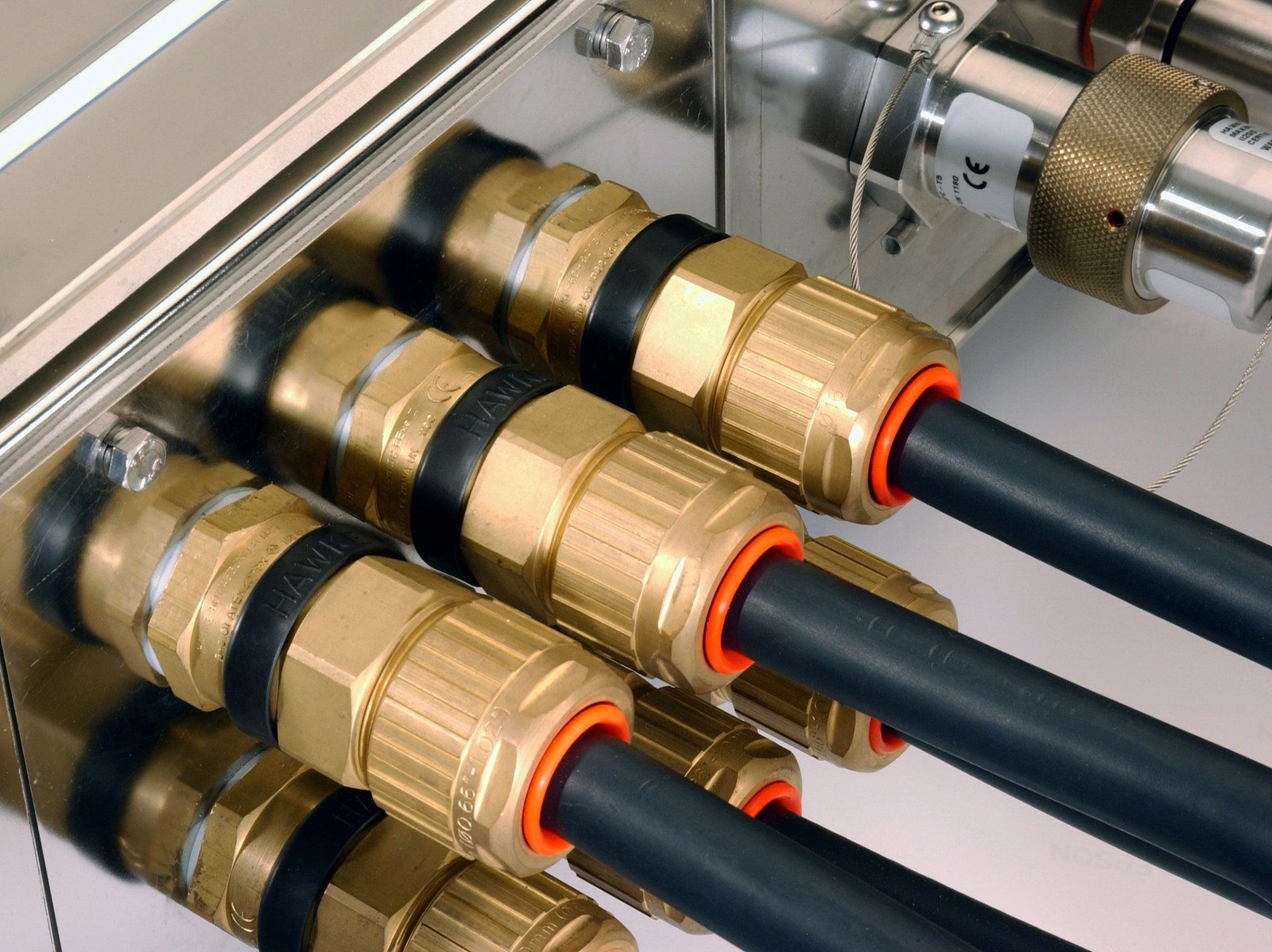
However, it is important to understand that using an IP68-rated or water-resistant potting material alone does not automatically make an entire product IP68-rated. The enclosure, seals, cable entries, connectors, potting process and finished assembly all contribute to the final protection level.
For applications where IP68 performance is required, the complete finished product should be appropriately designed and tested.
Silicone Potting Compound from Infocus Electronics
Infocus Electronics offers a range of encapsulation materials for LED, electronic and electrical applications, including silicone potting compounds, thermally conductive silicone, optically clear silicone and other potting and encapsulation solutions.
You can explore the available materials here:
[View Silicone & Encapsulation Materials from Infocus Electronics](https://www.infocuselectronics.com/encapsulation-materials.php)
The available range includes flexible silicone potting solutions for applications involving electronic components, LED modules, power supplies, sensors, connectors and other assemblies.
Frequently Asked Questions
What is silicone potting compound used for?
Silicone potting compound is used to protect electronic and electrical components from environmental and mechanical stresses such as moisture, dust, vibration and temperature changes.
Is silicone potting compound waterproof?
Some silicone potting compounds provide strong resistance to water and moisture. However, the waterproof performance of a finished product depends on the complete assembly and its design, not only on the potting compound.
Is silicone potting compound flexible after curing?
Yes. Many silicone potting compounds remain flexible or elastomeric after curing, making them suitable for applications exposed to thermal expansion, vibration and mechanical movement.
Can silicone potting compound be used for PCBs?
Yes. Suitable silicone potting compounds can be used for protecting PCBs and electronic assemblies, provided the material is compatible with the components and operating conditions.
Is silicone better than epoxy for potting?
Neither material is universally better. Silicone is often preferred when flexibility and temperature cycling are important, while epoxy may be preferred when a rigid and strongly bonded encapsulation is required. Material selection should be based on the application's specific requirements.
Conclusion
Silicone potting compound is an important protective material for electronic and electrical assemblies where flexibility, environmental protection, electrical insulation and thermal stability are required.
From LED modules and power supplies to PCBs, sensors, connectors and industrial electronics, the right silicone formulation can help protect sensitive components and improve long-term product reliability.
Before selecting a potting material, evaluate the application's temperature range, moisture exposure, flexibility requirements, thermal performance, optical requirements and curing process.
For a range of silicone, polyurethane and other encapsulation materials, visit the Infocus Electronics Encapsulation Materials page and select the solution according to your application's requirements.