7 Ways to Use Light Suspension Wires in Modern Interior Projects
Modern interior lighting is no longer only about choosing the right fixture. The way a light fixture is positioned, suspended and integrated into the ceiling can have a major impact on the overall appearance of a space.
For architects, interior designers and lighting professionals, light suspension wires offer a practical way to create clean, lightweight and visually refined lighting installations. From suspended linear lights in offices to decorative pendants in hospitality spaces, a properly designed lighting suspension system can help turn an ordinary ceiling into an important part of the interior design.
Unlike bulky hanging hardware, thin suspension wires can provide the necessary support while keeping attention focused on the lighting fixture itself. Adjustable wire systems can also make installation and alignment easier, particularly when several fixtures need to be positioned at precise heights.
At IN-FOCUS ELECTRONICS, our Light Suspension System range includes components designed for applications such as pendant lights, chandeliers, linear lighting and other suspended lighting installations.
Here are seven ways architects and interior designers can use light suspension wires in modern interior projects.
1. Suspended Linear Lighting in Offices
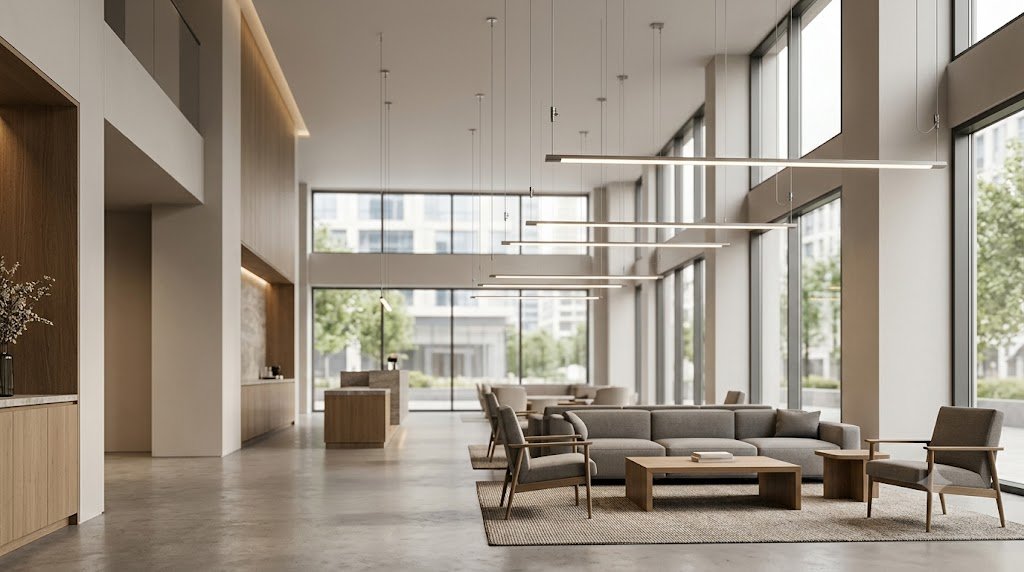
Open-plan offices increasingly use linear lighting to create consistent illumination across workstations, meeting areas and circulation spaces.
Instead of mounting every linear fixture directly against the ceiling, designers can suspend the fixtures using a wire suspension system. This creates a small visual gap between the ceiling and the lighting fixture and can make the lighting arrangement feel lighter and more intentional.
Suspended linear lights can also help define different zones within a large office.
For example, a long linear fixture above a workstation can visually establish the working area, while another suspended arrangement can distinguish a meeting table or collaboration zone.
Why use suspension wires?
A wire suspension arrangement can provide:
- Clean visual appearance
- Adjustable fixture height
- Flexible positioning
- Better integration with high or exposed ceilings
- A lightweight appearance
- Easier alignment of multiple fixtures
For projects involving multiple suspended linear fixtures, adjustable components such as wire grippers can help installers achieve consistent heights and straight lines.
Internal link opportunity: Link the phrase “Light Suspension System” to your Infocus Light Suspension System page.
2. Pendant Lighting Over Dining and Hospitality Areas
Pendant lights are widely used above dining tables, counters, reception desks and hospitality seating areas.
Suspension wires allow designers to control the height of each pendant and create a deliberate relationship between the light fixture and the furniture below it.
A single pendant can create a simple focal point, while multiple pendants can be arranged in a straight line, staggered formation or cluster.
For example, three pendant fixtures above a long dining table can be suspended at a similar height to create a clean, symmetrical appearance. Alternatively, different suspension lengths can create a more sculptural arrangement.
The suspension hardware should complement the fixture without visually competing with it.
This is particularly important in minimalist interiors where small details can have a significant effect on the overall appearance.
Design considerations
Before specifying a pendant suspension system, consider:
- Ceiling height
- Fixture weight
- Desired hanging height
- Number of suspension points
- Cable visibility
- Adjustment requirements
- Ceiling mounting method
A properly selected suspension system helps achieve the intended design while providing practical support for installation.
3. Chandeliers in High-Ceiling Spaces
Large entrance halls, hotels, restaurants, showrooms and luxury residential spaces often feature chandeliers or statement lighting installations.
High ceilings provide an opportunity to use suspension wires to create dramatic vertical compositions.
Rather than positioning a chandelier immediately below the ceiling, designers can use adjustable suspension wires to bring the fixture down to the required visual height.
This is especially useful when the ceiling is significantly higher than the occupied space.
Suspension wires can also be used where a chandelier requires multiple suspension points. Multiple wires distribute the support points around the fixture while maintaining a clean visual appearance.
Creating visual balance
The objective is not simply to hang the chandelier at a convenient height.
Architects and designers should consider:
- The scale of the room
- Ceiling height
- Furniture arrangement
- Human eye level
- Circulation paths
- Visual centre of the space
The suspension system becomes part of the overall lighting design, even when the hardware itself is intended to remain visually discreet.
Internal link opportunity: Link “suspension components” to the relevant Light Suspension System section on your website.
4. Retail Displays and Commercial Interiors
Retail environments use lighting to guide attention, highlight products and create visual hierarchy.
Suspended lighting can be particularly useful in stores with high ceilings or flexible display layouts.
For example, linear fixtures can be suspended above product aisles, counters or display tables. Pendant fixtures can be positioned above checkout areas or feature displays.
Because retail layouts can change over time, adjustable suspension systems can offer useful flexibility.
A fixture that needs to be raised, lowered or realigned can potentially be adjusted without redesigning the entire ceiling installation, depending on the specific suspension hardware and fixture configuration.
Suspension wires for visual zoning
Lighting can also help divide a large retail space into visual zones.
A suspended linear fixture above one display area can create a different lighting identity from another section of the store.
This allows lighting to contribute not only to illumination but also to the spatial organization of the interior.
5. Reception Areas and Feature Spaces
Reception desks, hotel lobbies and corporate entrance areas are often the first spaces visitors experience.
These areas provide an opportunity to use lighting as an architectural feature.
Suspended fixtures can be arranged above reception desks or waiting areas to create depth and visual interest.
A series of small pendants at different heights can create a layered effect, while a long linear fixture can reinforce the geometry of a reception counter.
In modern interiors, the suspension wires can remain subtle so that the fixture appears to float within the space.
Why minimal suspension works well
Many contemporary interiors use simple materials, clean geometry and uncluttered ceilings.
A thin suspension wire can support this aesthetic by reducing the visual bulk normally associated with hanging hardware.
The result can be a lighting installation where the fixture remains the primary visual element.
This approach is especially useful for projects where the designer wants the ceiling to feel open rather than crowded.
6. Residential Pendant Lighting
Suspension wires are not limited to commercial projects.
They can also be used in homes for pendant lights above:
- Dining tables
- Kitchen islands
- Breakfast counters
- Staircases
- Living room seating areas
- Home bars
- Double-height spaces
In residential interiors, the suspension length can influence both the appearance and usability of the room.
A pendant above a dining table needs to provide sufficient illumination without obstructing conversation or creating an uncomfortable visual barrier.
A fixture over a kitchen island may need a different height depending on the ceiling, countertop and occupants.
Adjustable suspension hardware can make this positioning easier during installation.
Multiple pendants
Multiple pendant lights can also be arranged using separate suspension wires.
Designers can create symmetrical arrangements or intentionally vary the heights to produce a more dynamic composition.
The important consideration is to establish a consistent design relationship between the fixtures, furniture and surrounding architecture.
7. Layered and Multi-Level Lighting Designs
One of the most creative uses of light suspension wires is creating multiple lighting levels.
Instead of installing every fixture at the same height, designers can suspend different fixtures at different levels.
This can create depth and make lighting an important three-dimensional element within the interior.
For example, a lobby could combine:
- Higher suspended linear lights
- Medium-height pendant fixtures
- Lower decorative pendants
- Architectural ceiling lighting
The different levels can create visual rhythm while helping define different areas of the room.
Creating a floating lighting effect
Multi-level suspension is particularly effective when the fixtures have simple geometric forms.
Thin wires can visually separate the fixtures from the ceiling while allowing them to appear almost suspended in space.
For architects and interior designers, this can be an effective way to introduce a strong lighting feature without adding unnecessary architectural elements.
How to Choose a Light Suspension Wire System
The appearance of a suspension wire is important, but technical requirements should come first.
Before selecting a lighting suspension system, consider the fixture and installation requirements.
1. Fixture weight
Determine the weight of the fixture and select suspension components appropriate for the intended load and installation method.
2. Number of suspension points
Some fixtures require two suspension points, while larger or longer fixtures may require additional support points.
3. Required suspension length
Measure the distance between the ceiling mounting point and the final position of the fixture.
4. Adjustment requirements
For projects where precise alignment is important, adjustable wire grippers can make installation and final positioning more convenient.
5. Ceiling type
The ceiling construction and mounting method should be considered before specifying the suspension hardware.
6. Fixture geometry
Long linear fixtures, circular pendants and chandeliers can require different suspension arrangements.
The suspension system should therefore be selected together with the fixture rather than treated as an afterthought.
Why Suspension Hardware Matters in Architectural Lighting
A beautiful lighting fixture can lose some of its visual impact if the suspension hardware looks bulky, poorly aligned or unsuitable for the application.
This is why suspension components deserve attention during the design and specification stage.
For architects and interior designers, the goal is often to achieve three things at the same time:
Function: The fixture needs appropriate support.
Precision: Fixtures should be positioned and aligned correctly.
Appearance: The suspension hardware should complement the overall design.
A well-planned lighting suspension system can help address all three.
For lighting manufacturers and OEMs, the suspension system can also become part of the fixture design itself, particularly for linear and pendant lighting products.
Light Suspension Systems for Different Projects
There is no single suspension arrangement suitable for every project.
A small residential pendant may require a simple two-point suspension arrangement, while a long architectural linear fixture may require multiple suspension points.
Similarly, a decorative chandelier may need a different configuration from a commercial suspended light.
This is why architects, designers and lighting manufacturers should evaluate the fixture, ceiling and intended installation together.
IN-FOCUS ELECTRONICS provides light suspension components for applications including pendant lighting, chandeliers, linear lighting and other suspended lighting installations.
For project requirements, OEM applications and bulk enquiries, specifications should be discussed according to the fixture and installation requirements.
Internal link: Add a natural link here to the main Light Suspension System category page.
Frequently Asked Questions
What are light suspension wires used for?
Light suspension wires are used to suspend lighting fixtures from ceilings or other mounting points. They are commonly used with pendant lights, chandeliers, linear lighting and architectural lighting installations.
Can suspension wires be used for linear LED lights?
Yes. Suspension wire systems are commonly used to hang linear lighting fixtures from ceilings. The appropriate number of suspension points and hardware depends on the fixture design, weight and installation requirements.
Are light suspension wires suitable for pendant lights?
Yes. Suspension wires can be used for pendant lighting where the fixture and suspension components are compatible. Adjustable systems can also help achieve the desired hanging height.
Can I adjust the height of a suspended light?
With an appropriate adjustable wire gripper or suspension component, the height of a fixture can often be adjusted during installation. The adjustment mechanism and allowable load depend on the specific component.
Where are lighting suspension systems commonly used?
Lighting suspension systems are used in offices, restaurants, hotels, retail stores, showrooms, homes, reception areas, commercial spaces and other interiors where suspended lighting is required.
How many suspension wires does a light fixture need?
The number depends on the fixture's size, weight, geometry and manufacturer requirements. Small fixtures may use fewer suspension points, while long or larger fixtures may require multiple support points.
What should architects consider when specifying suspension wires?
Architects and designers should consider fixture weight, ceiling construction, suspension length, number of suspension points, adjustment requirements, fixture geometry and the visual appearance of the completed installation.
Can suspension wires be used for chandeliers?
Yes. Suspension systems can be used for chandeliers and decorative lighting, provided the selected components are suitable for the fixture and installation requirements.
Conclusion
Light suspension wires can be much more than a method of hanging a lighting fixture.
Used thoughtfully, they can help architects and interior designers create clean linear arrangements, floating pendants, dramatic chandeliers, layered lighting compositions and flexible commercial installations.
From offices and retail spaces to restaurants, hotels and modern homes, suspended lighting can become an important part of the architecture rather than simply an additional source of illumination.
The key is to select the suspension system according to the fixture, ceiling, load requirements and desired visual result.
For architects, interior designers, lighting manufacturers and project contractors looking for components for suspended lighting applications, explore the IN-FOCUS ELECTRONICS Light Suspension System range or contact the team for bulk and OEM requirements.
Internal CTA: Explore Light Suspension Systems → [link to `light-suspension-system.php`]
Secondary CTA: Have a lighting project or OEM requirement? Contact IN-FOCUS ELECTRONICS for product and bulk enquiry.