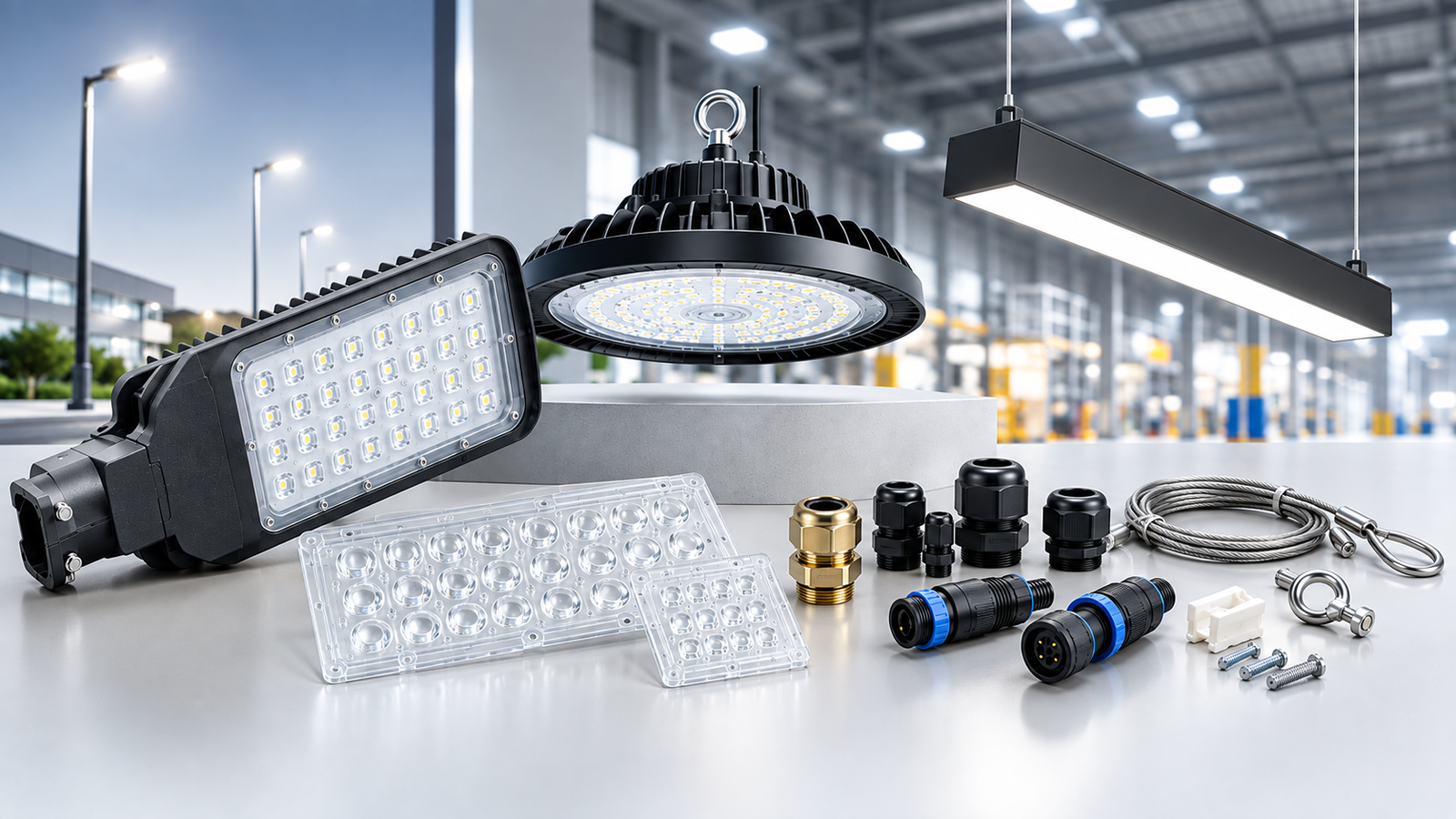
LED Lighting Solutions: Components, Applications, Optical Lenses and Essential Accessories
LED lighting has become an essential part of modern residential, commercial, industrial, architectural and outdoor lighting systems. From street lights and flood lights to suspended fixtures and specialized LED luminaires, a reliable lighting system depends on more than just an LED chip and a power supply.
A complete LED lighting solution combines several components that work together to control light distribution, protect electrical connections, improve durability and create the required lighting performance.
At IN-FOCUS ELECTRONICS, we provide a range of components and solutions for LED lighting applications, including LED optical lenses, encapsulation materials, light suspension systems, cable glands, lighting accessories, batteries and GI poles.
This guide explains the major components used in LED lighting solutions, their applications and the factors to consider when selecting the right components for a lighting project.
What Are LED Lighting Solutions?
LED lighting solutions are combinations of products, components and technologies designed to create effective, reliable and application-specific LED lighting systems.
A lighting solution may include:
- LED modules or LED light sources
- LED optical lenses
- Connectors and wiring components
- Cable glands
- Encapsulation and potting materials
- Mounting and installation accessories
- Suspension systems
- Batteries for selected applications
- Poles and supporting structures
- Thermal and environmental protection components
The exact combination depends on the type of lighting fixture and where it will be installed.
For example, a street lighting system may require an optical lens for controlled light distribution, suitable cable entry protection and weather-resistant construction. A suspended architectural light may require a suspension kit, wire gripper and other installation components.
Therefore, choosing the right components is an important part of designing an efficient LED lighting system.
Key Components Used in LED Lighting Systems
Different LED lighting applications require different components. Understanding the purpose of each component helps manufacturers, OEMs, electrical contractors, lighting designers and distributors select suitable products.
1. LED Optical Lenses
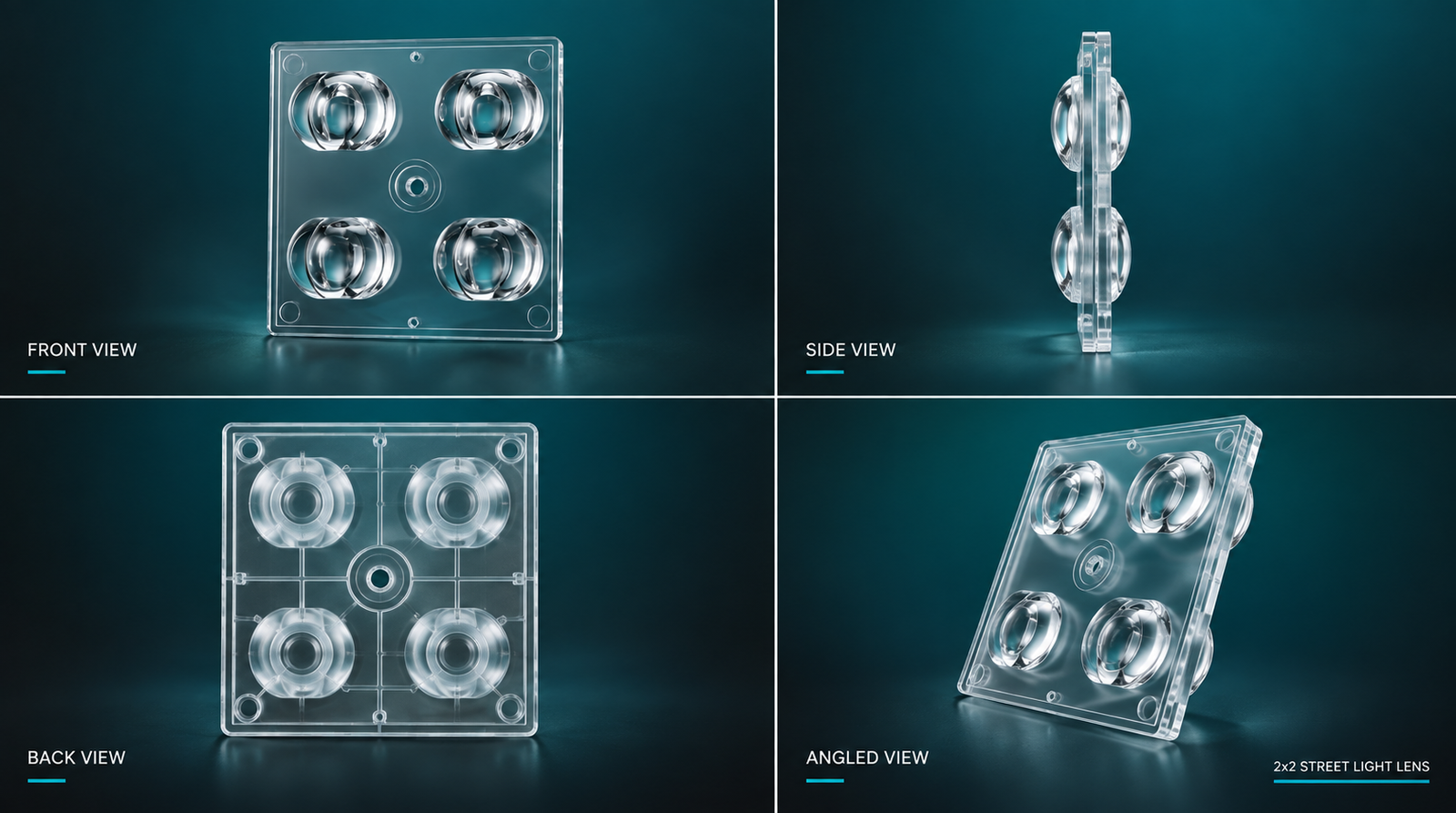
LED optical lenses are one of the most important components for controlling the distribution of light from an LED source.
An LED produces light over a particular angle, but the application may require that light to be directed, spread or concentrated in a specific pattern. An optical lens helps shape the output according to the requirements of the luminaire.
LED lenses are commonly used in:
- Street lights
- Flood lights
- High-bay lights
- Industrial luminaires
- Outdoor lighting
- Area lighting
- Commercial fixtures
- Specialized LED lighting systems
Different lens designs can provide different beam distributions and optical characteristics.
For street lighting, an appropriately designed lens can help distribute light across roads and surrounding areas rather than allowing excessive light to remain concentrated directly below the fixture.
This makes LED optical lenses an important consideration when developing application-specific LED lighting solutions.
Explore our [LED Lens solutions] to find optical components for different LED lighting applications.
LED Lighting Solutions for Street Lights
Street lighting requires controlled and consistent illumination over roads, pathways and public areas.
Unlike general-purpose indoor lighting, street lights need to consider mounting height, road width, pole spacing, beam distribution and the required illumination pattern.
An LED street light lens can help control how light leaves the luminaire. The optical design should be selected according to the fixture design and the intended lighting distribution.
Typical street lighting components may include:
- LED modules
- Optical lenses
- LED drivers
- Heat sinks
- Housing
- Cable glands
- Connectors
- Mounting components
- Protective materials
The combination of these components creates a complete lighting system.
For manufacturers and OEMs, selecting an optical lens should therefore be considered alongside the LED source, fixture dimensions and intended application.
2. Encapsulation and Potting Materials
LED lighting products used outdoors or in demanding environments may require additional protection against moisture, dust, vibration and environmental exposure.
Encapsulation and potting materials can be used to protect electronic components and electrical connections by surrounding them with a protective material.
Depending on the application and material selected, encapsulation and potting can help improve protection against:
- Moisture
- Dust
- Environmental exposure
- Mechanical stress
- Electrical contamination
- Vibration
These materials are particularly relevant for LED products designed for outdoor, industrial and demanding operating environments.
Proper selection and application are important because the potting or encapsulation material needs to be compatible with the components, operating temperature and intended environment.
Our [Encapsulation Materials] are suitable for applications where protection of electronic and lighting components is required.
3. Cable Glands for LED Lighting
Cable management is another important part of a reliable LED lighting system.
A cable gland provides a controlled entry point where a cable passes through the enclosure of an electrical or lighting product. Depending on the design, it can help secure the cable and provide protection at the cable-entry point.
Cable glands are commonly used in:
- LED luminaires
- Street lights
- Outdoor electrical enclosures
- Industrial lighting
- Control boxes
- Junction boxes
- Electrical equipment
The correct cable gland should be selected according to factors such as cable diameter, thread size, enclosure design and environmental requirements.
For example, different applications may require different gland sizes such as PG, M-series or other compatible configurations.
Selecting the correct cable gland helps create a cleaner and more secure cable-entry arrangement.
4. Light Suspension Systems
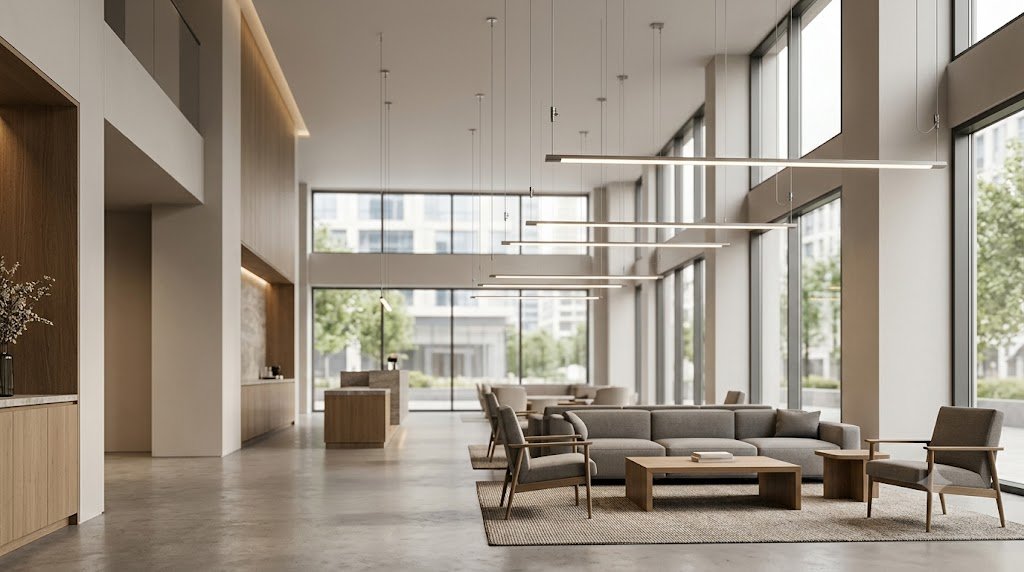
Modern architectural and commercial interiors often use suspended lighting fixtures.
Suspension systems allow luminaires to be installed below the ceiling while maintaining a clean and professional appearance.
A typical light suspension system may include:
- Suspension wire
- Wire gripper
- Ceiling fixing
- Looping wire
- Adjustable components
- Fixture attachment hardware
These systems can be used for:
- Linear lights
- Pendant fixtures
- Chandelier-style lighting
- Decorative lighting
- Commercial interiors
- Offices
- Retail spaces
- Hospitality environments
Adjustable suspension systems can make installation and height adjustment easier while providing a neat appearance.
For architects, lighting manufacturers and installers, choosing compatible suspension components is important for achieving the desired fixture position and appearance.
Explore our [Light Suspension System] range for components used in suspended lighting applications.
5. Lighting Accessories
LED lighting fixtures often require additional accessories during manufacturing and installation.
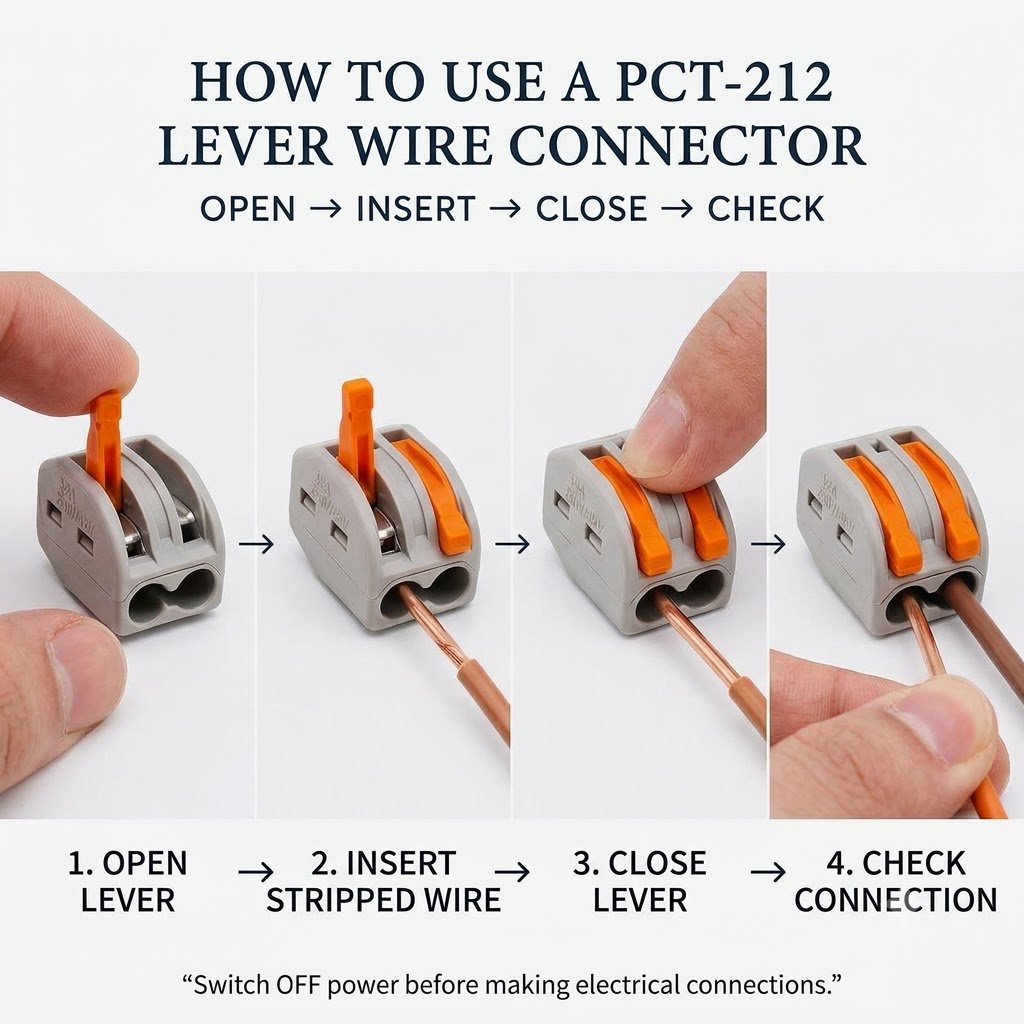
These accessories may include connectors, mounting components, wiring accessories and other supporting parts required to integrate the lighting system.
Although these components may appear small compared with the luminaire itself, they can have an important role in assembly, installation and maintenance.
For OEM and manufacturing applications, using compatible accessories can also help streamline production and installation processes.
6. Batteries for LED Lighting Applications
Some lighting systems require battery-powered operation, backup power or portable energy storage.
Batteries can therefore form part of selected LED lighting solutions, particularly where lighting needs to operate independently of the main power supply for a period of time.
Battery selection depends on factors such as:
- Required voltage
- Capacity
- Operating current
- Runtime
- Physical dimensions
- Charging requirements
- Application conditions
For compact lighting products and battery-powered applications, the battery must be matched correctly with the electrical design of the product.
7. GI Poles for Outdoor Lighting
For outdoor lighting installations, the supporting structure is as important as the lighting fixture itself.
GI poles are used for applications where luminaires need to be installed at an elevated position.
They can be used for:
- Street lighting
- Outdoor area lighting
- Pathway lighting
- Industrial lighting
- Commercial outdoor lighting
- Public-area lighting
Pole height, fixture weight, mounting arrangement and installation conditions should all be considered when selecting a suitable pole.
Our GI Pole solutions are available for outdoor lighting applications where a suitable supporting structure is required.
How LED Lighting Components Work Together
A successful LED lighting solution is not based on a single component.
Consider a typical outdoor LED street light.
The LED source produces light. The optical lens controls the distribution of that light. The driver supplies the required electrical power. The housing protects the internal components. Cable glands provide controlled cable entry. Encapsulation or potting materials may provide additional protection where required.
Each component performs a different function, but they work together as one lighting system.
This is why lighting manufacturers and OEMs should consider the complete application rather than selecting individual components independently.
LED Lighting Solutions for Different Applications
LED technology can be adapted to a wide range of lighting requirements.
Street and Road Lighting
Street lighting requires controlled optical distribution, durable construction and suitable installation components.
Optical lenses, cable glands, electrical components and supporting poles can all contribute to the overall system.
Industrial Lighting
Industrial facilities may require lighting systems that can operate in demanding environments.
High-bay fixtures, flood lights and industrial luminaires can use optical components, protective materials and suitable cable-entry solutions depending on the application.
Commercial Lighting
Offices, retail spaces, hotels and commercial buildings often require lighting that combines performance with clean aesthetics.
Suspended lighting systems, optical components and installation accessories can be used to create organized and visually appealing lighting installations.
Architectural Lighting
Architectural lighting places particular emphasis on appearance, light distribution and installation design.
Suspension systems and optical components can help lighting designers achieve specific visual effects while maintaining a clean installation.
Outdoor Area Lighting
Outdoor lighting systems may include flood lights, area lights, pathway lighting and other luminaires.
Environmental exposure makes appropriate component selection particularly important.
How to Choose the Right LED Lighting Components
Before selecting components for an LED lighting project, consider the following factors.
Application
Start by identifying where the lighting product will be used.
A street light, industrial high-bay and decorative pendant fixture may require completely different components.
Optical Requirements
If the application requires controlled light distribution, consider the optical lens carefully.
Beam angle, light distribution and compatibility with the LED and fixture design should be evaluated.
Environmental Conditions
Outdoor and industrial applications may expose components to moisture, dust, temperature changes, vibration and other environmental conditions.
Components should therefore be selected according to the actual operating environment.
Mechanical Compatibility
The dimensions and mounting method of each component need to match the luminaire design.
This is particularly important for lenses, cable glands, connectors and suspension components.
Electrical Compatibility
Connectors, batteries and other electrical components must be compatible with the electrical characteristics of the lighting system.
Installation Requirements
Consider how the lighting product will be assembled, installed, adjusted and maintained.
Components that simplify installation can be particularly useful for OEMs and contractors handling multiple projects.
Why Component Selection Matters in LED Lighting
The performance of an LED lighting system depends on how its individual components work together.
A suitable optical lens can improve control of light distribution. A correctly selected cable gland can provide a suitable cable-entry arrangement. Appropriate encapsulation materials can provide additional protection for sensitive components.
Similarly, a properly selected suspension system can help achieve the intended fixture height and appearance.
For manufacturers and lighting businesses, component selection can also affect production consistency, installation efficiency and the overall reliability of the finished product.
LED Lighting Solutions for OEMs, Manufacturers and Lighting Businesses
OEMs and lighting manufacturers often need components in different sizes, specifications and configurations depending on their products.
Instead of treating every lighting project as a standard application, component selection should be based on the design and intended use of the finished luminaire.
At IN-FOCUS ELECTRONICS, our product range supports different areas of LED lighting and electrical applications, including:
- LED optical lenses
- Encapsulation materials
- Light suspension systems
- Cable glands
- Lighting accessories
- Batteries
- GI poles
This allows lighting businesses to source multiple supporting components for different applications from one product portfolio.
Frequently Asked Questions About LED Lighting Solutions
What are LED lighting solutions?
LED lighting solutions are complete combinations of LED lighting products and supporting components designed for a specific application. They may include optical lenses, electrical components, cable glands, protective materials, mounting accessories and other products.
What is the role of an LED optical lens?
An LED optical lens helps control and distribute light produced by an LED source. Different optical designs can be used for different lighting applications, including street lighting, flood lighting and other luminaires.
Why are cable glands used in LED lights?
Cable glands are used at cable-entry points in lighting fixtures and electrical enclosures. They can help secure cables and provide a controlled cable-entry arrangement.
Where are LED suspension systems used?
LED suspension systems are commonly used for suspended linear lights, pendant fixtures, decorative lighting, chandeliers and commercial or architectural lighting installations.
Why is encapsulation used in LED lighting?
Encapsulation and potting materials can protect electronic and lighting components from environmental and mechanical exposure. The appropriate material depends on the application and operating conditions.
How do I choose an LED lighting component?
Start with the application, then consider optical requirements, dimensions, electrical compatibility, environmental conditions, installation requirements and compatibility with the complete lighting fixture.
Conclusion
LED lighting solutions are more than simply choosing an LED light source. A reliable lighting product depends on a combination of optical, electrical, mechanical and protective components working together.
LED optical lenses can help control light distribution, while cable glands support organized cable entry. Encapsulation materials can provide additional protection for electronic components, and suspension systems can support modern architectural and commercial lighting installations. Batteries and GI poles can also form part of specific lighting applications.
For lighting manufacturers, OEMs, contractors, distributors and businesses, understanding these components makes it easier to develop and select lighting systems according to the requirements of each application.
IN-FOCUS ELECTRONICS offers a range of LED lighting and supporting components for different lighting and electrical applications. Explore our product categories to find components suitable for your project requirements.
Looking for LED lighting components in India? Explore IN-FOCUS ELECTRONICS for LED optical lenses, encapsulation materials, light suspension systems, cable glands, lighting accessories, batteries and GI poles.